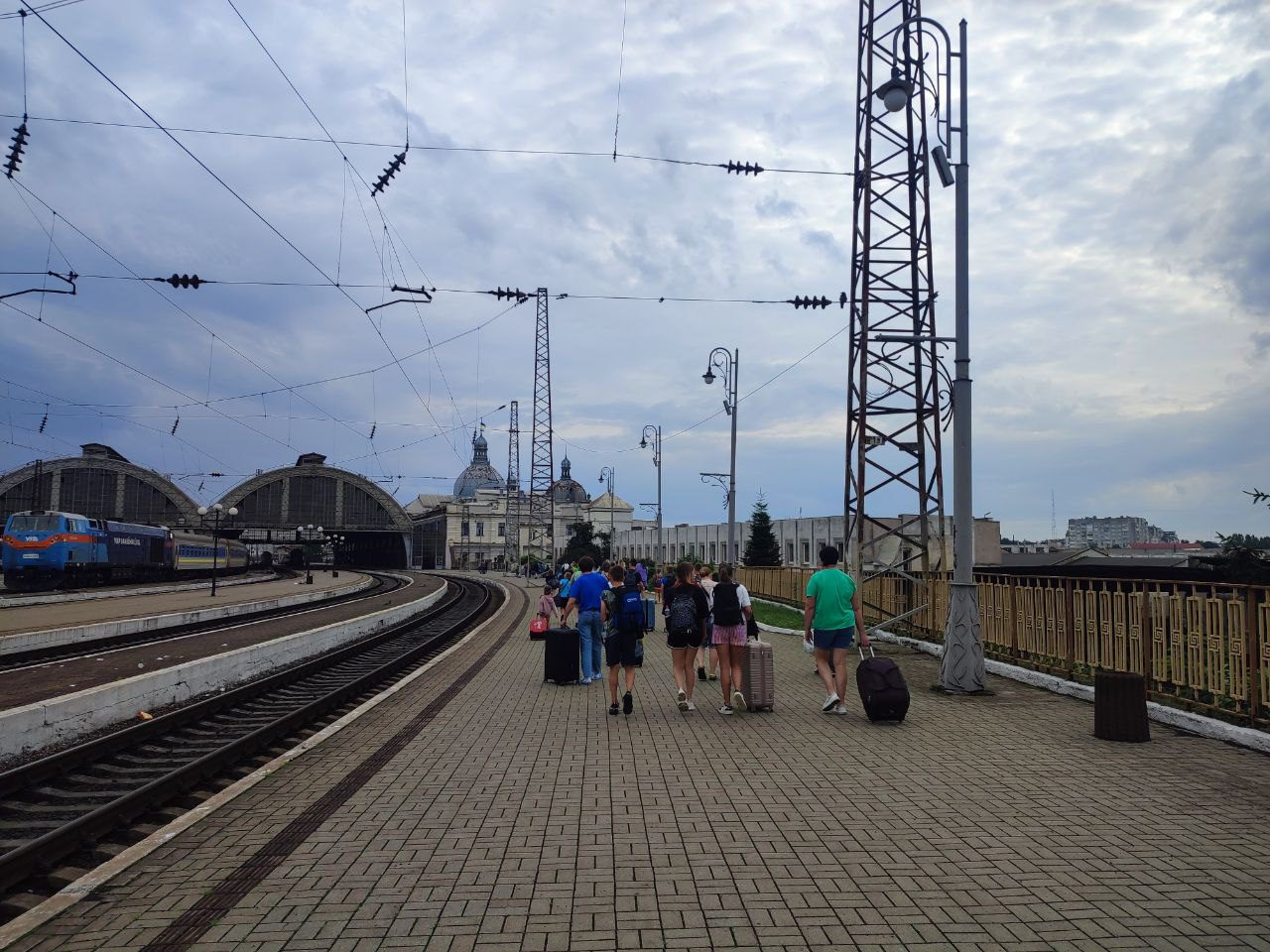
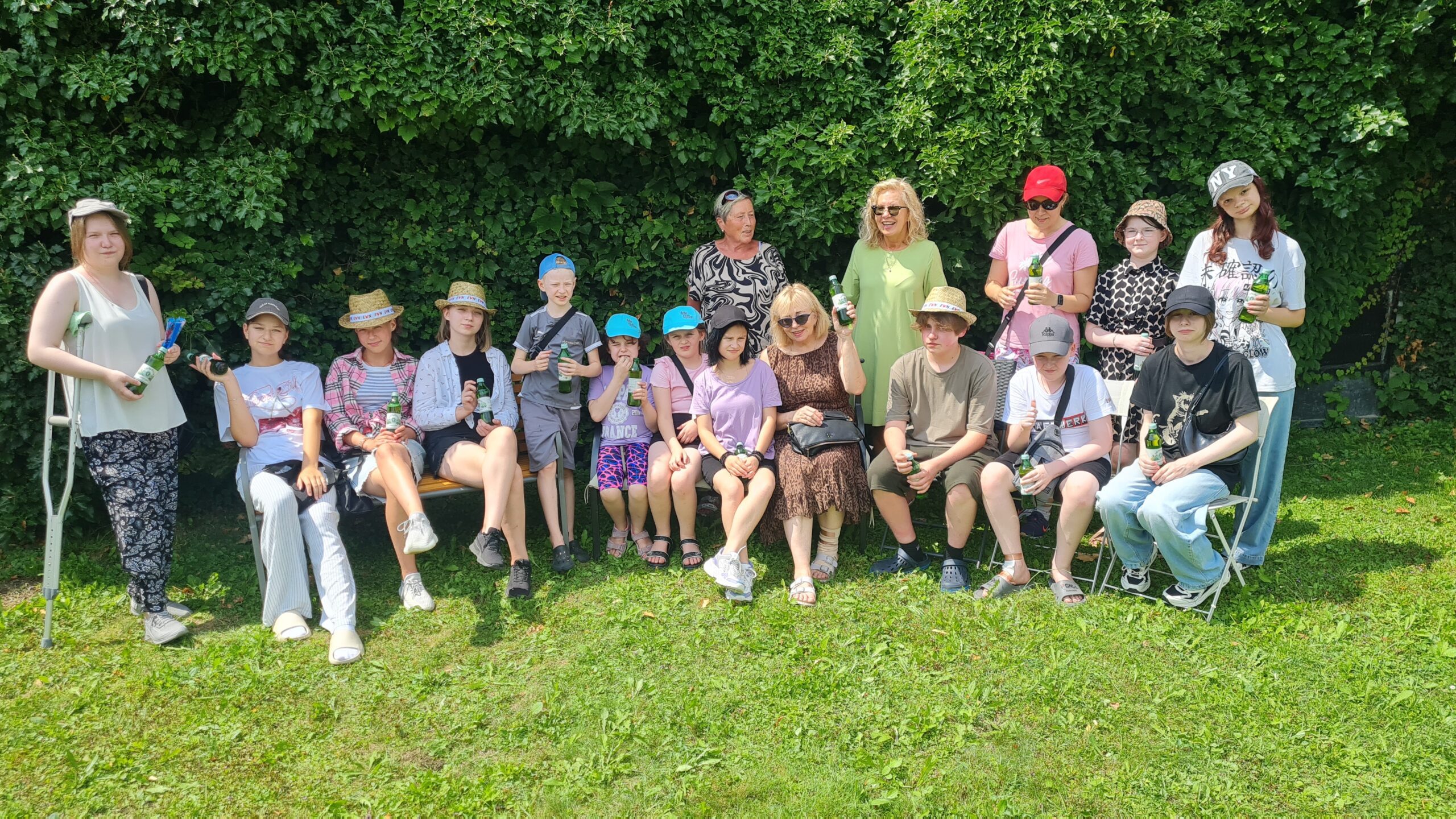
This summer, a group of children from Kharkiv, who had completed treatment for oncological diseases and are now in remission, spent three weeks in the picturesque town of Ybbs an der Donau in Austria. For many, it was their first trip abroad, and it became a true breath of freedom after years of hospital walls and war.
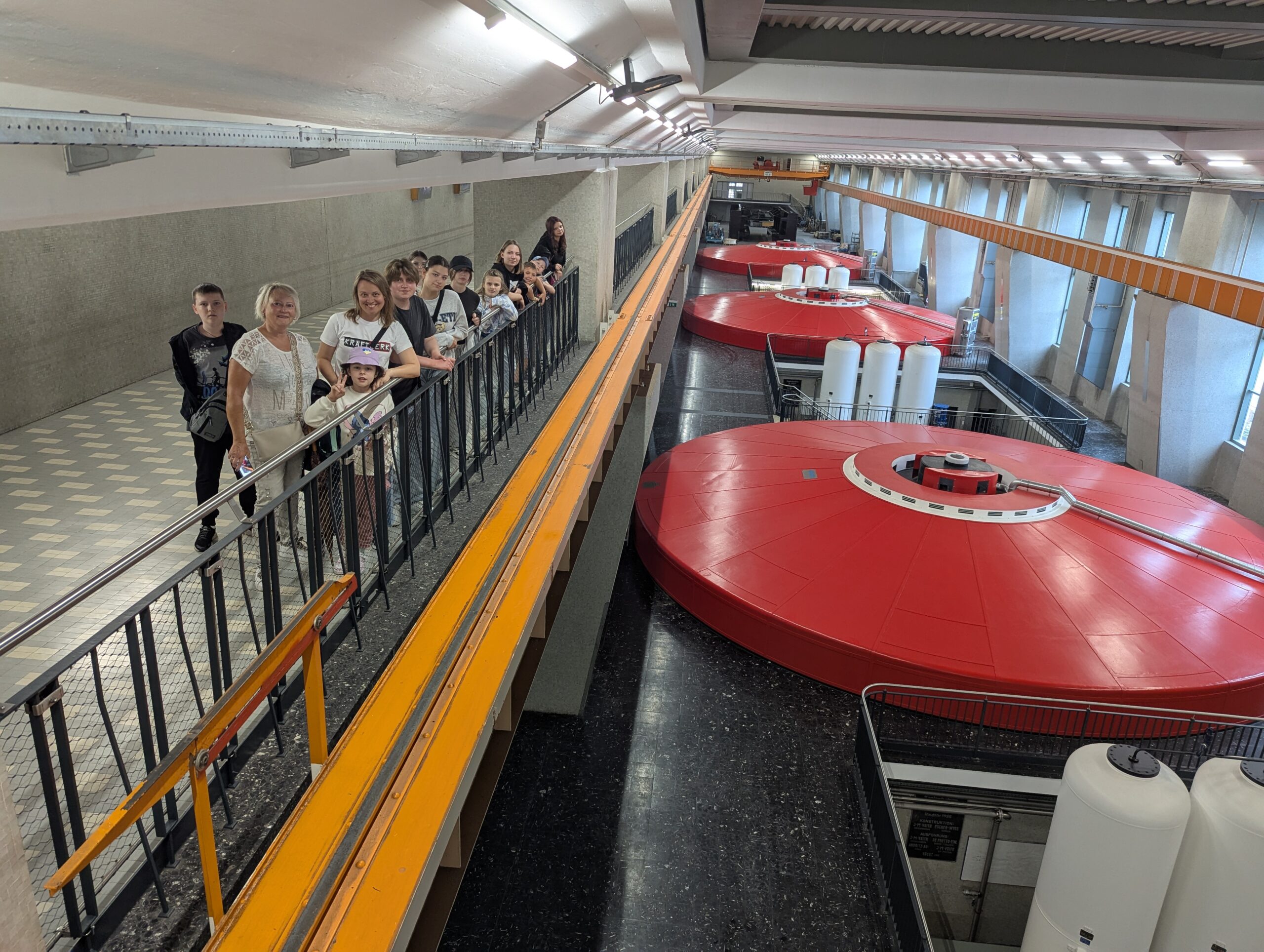
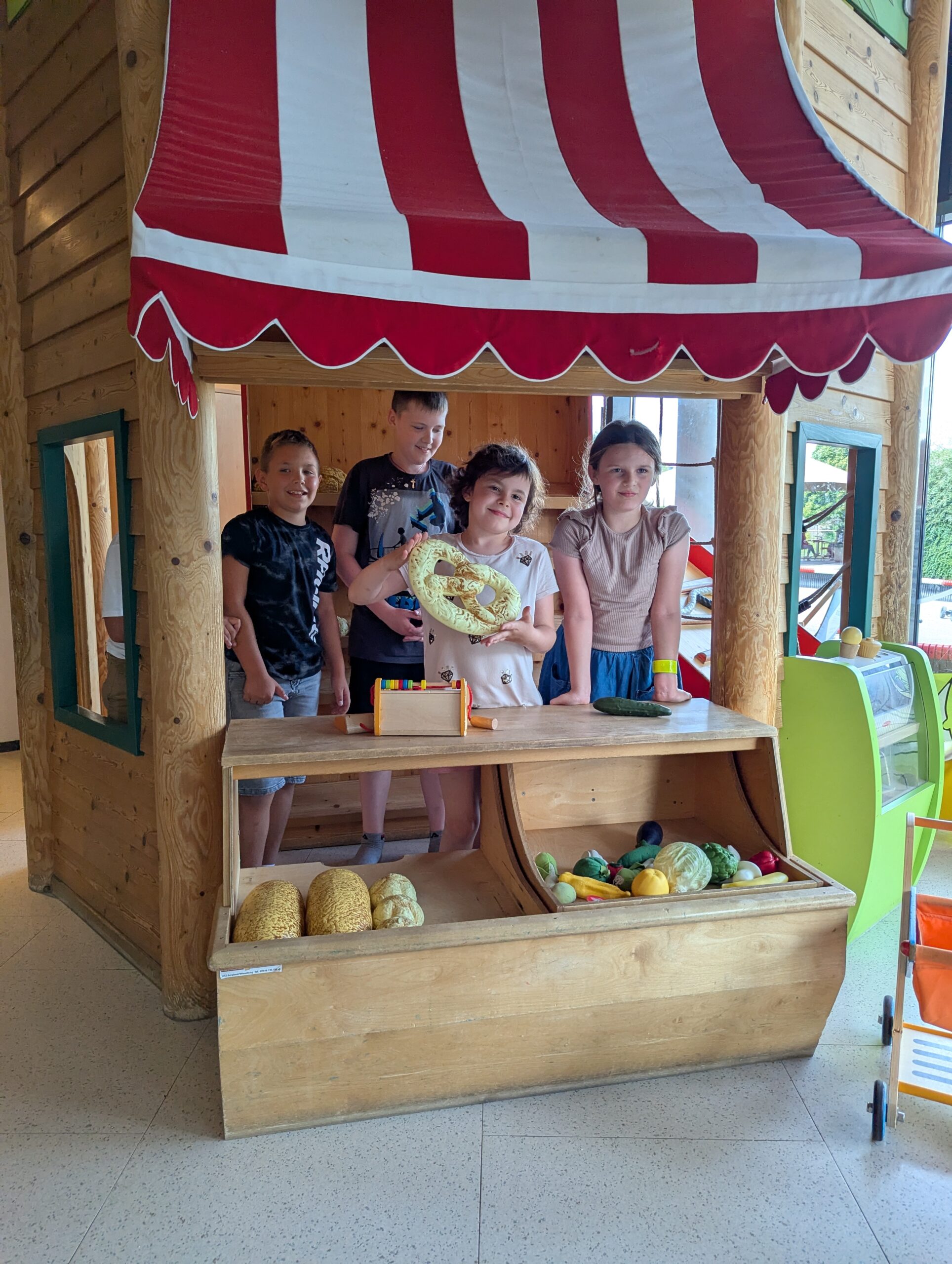
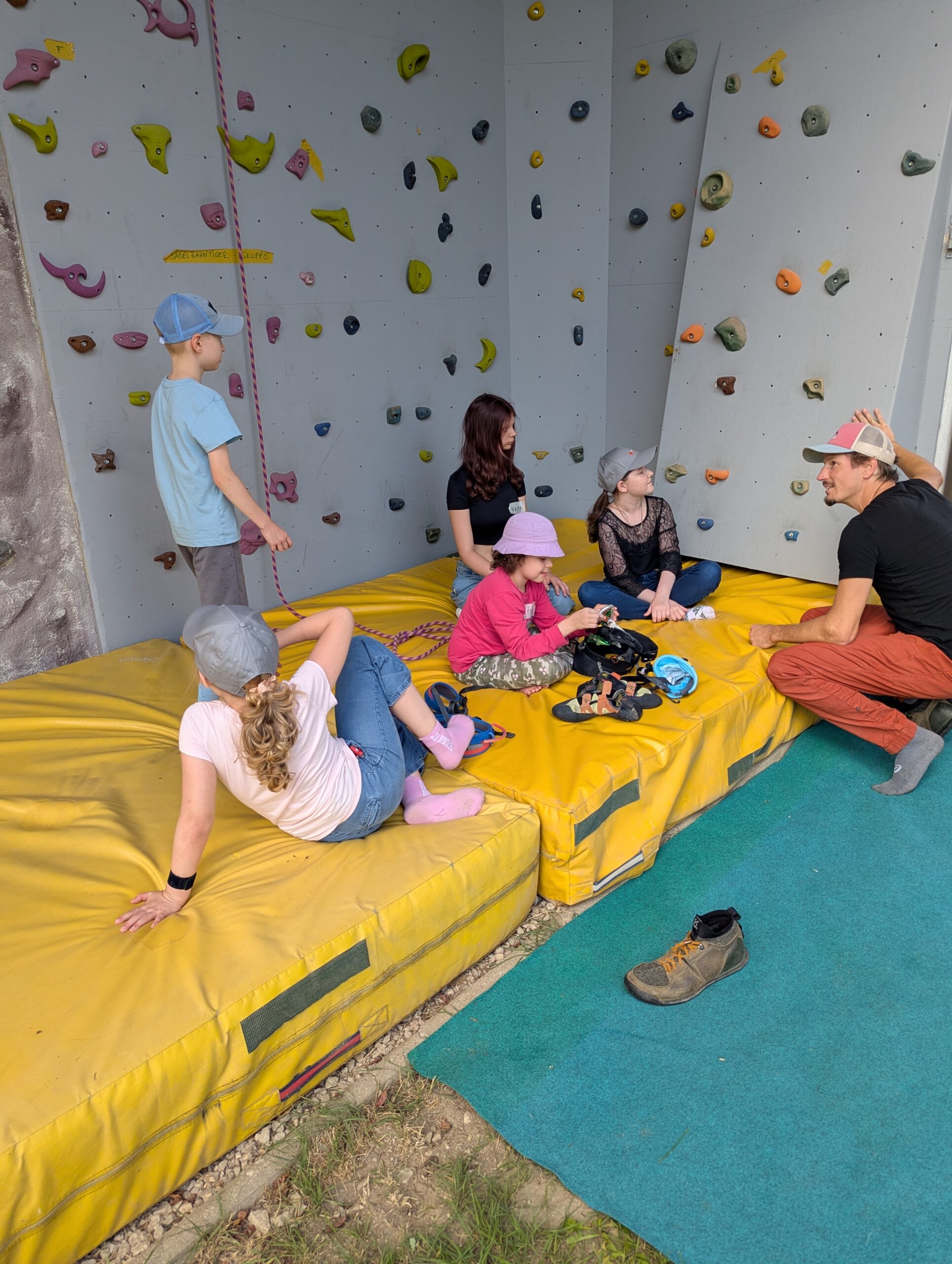
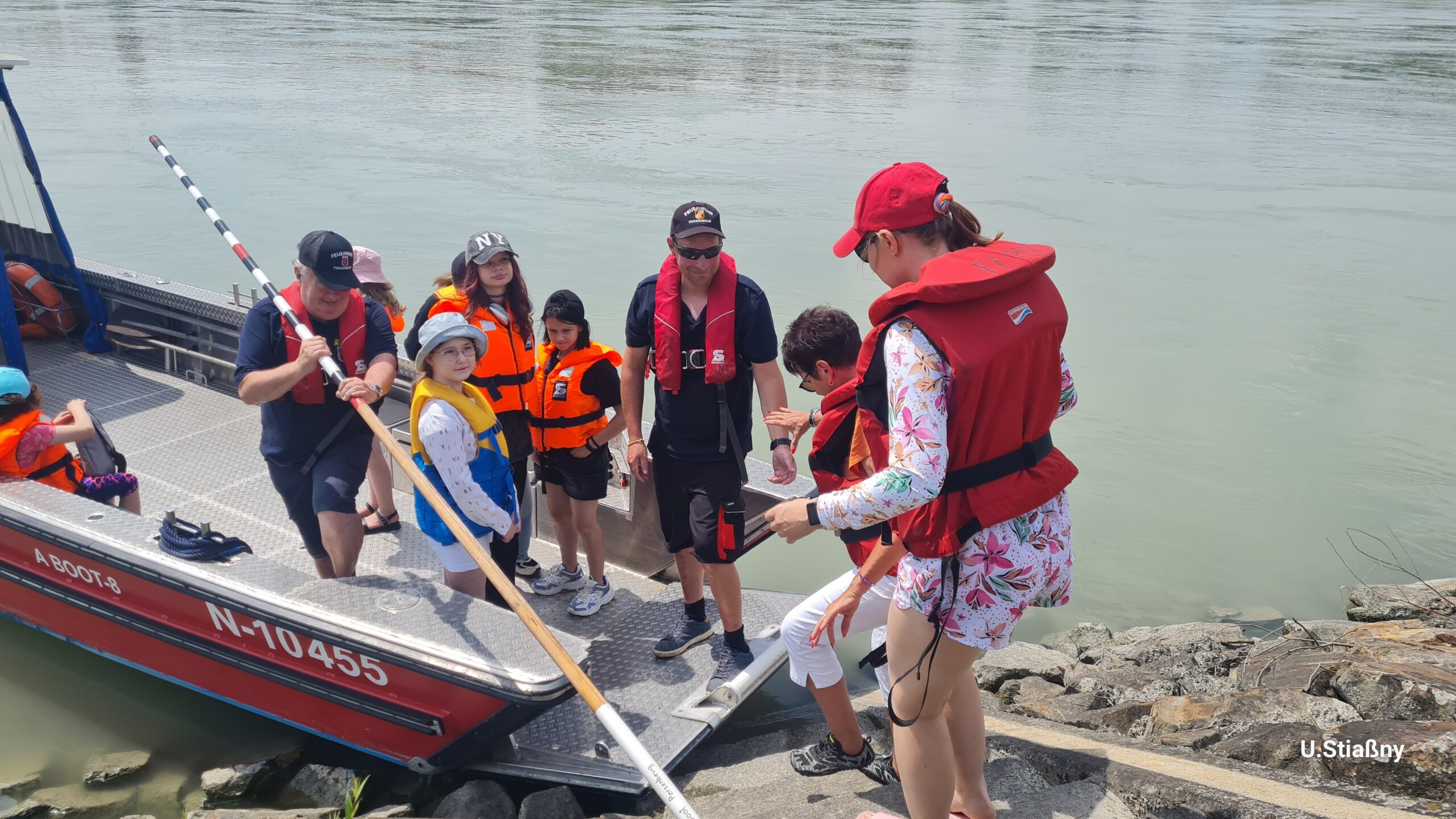
The children stayed in a cozy town on the banks of the Danube, where every day was filled with adventures. They went boating, tried fishing, did climbing, visited the fire department, museums, a hydroelectric power station, and an ambulance station. There, they saw modern vehicles, equipment, and even tried on the roles of rescuers. For boys and girls who themselves had often been patients of the ambulance, this experience carried special meaning: now they could see the other side — how those who save lives work every day.
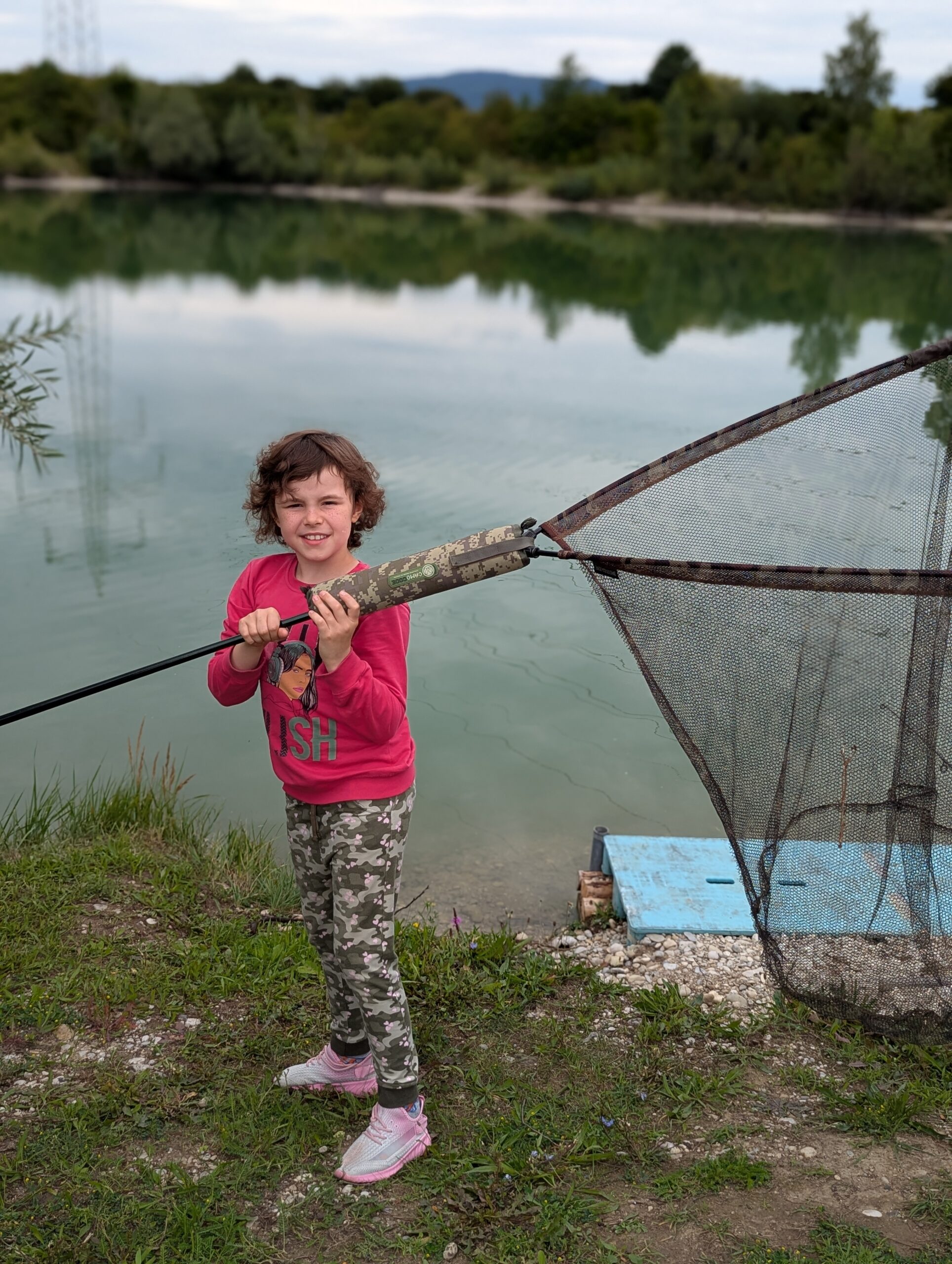
A special discovery was fishing on the Danube. For many, it was the first time holding a fishing rod, and the joy of the catch was loud and genuine. But most importantly, the fish they caught was released back into the river to live on. For 12-year-old Violetta, this day was special: she had long dreamed of fishing, and in Ybbs her dream finally came true.
Even when the weather did not allow for walks or excursions, the holiday remained full of joy. The hotel administration transformed the conference hall into a real cinema: with a big screen, cozy atmosphere, and real popcorn. The children watched favorite movies and laughed together, as if at home in one big family. For them, it was no less valuable an adventure than boat trips or sightseeing tours.
The evenings became especially warm. After a busy day, the children walked along the Danube embankment, listened to the sound of the river, and shared their impressions. Later, cozy tea gatherings awaited them, where they could break the usual routine a little and stay up longer together. These moments created an atmosphere of unity and true childhood, where the most important things were sincere conversations and the laughter of friends nearby.
The trip also had another very important part — medical. All children underwent necessary check-ups, had tests, visited a dentist and an ophthalmologist. These are annual planned measures: after chemotherapy, a child’s body remains vulnerable, and even a simple cavity or vision problems can quickly worsen their condition. Chemotherapy affects bone tissue, the heart, and immunity, so children require constant monitoring even when cancer has retreated.
Their health and well-being were monitored daily by medical staff: pediatrician Viktoria Koval and senior nurse Iryna Slobodeniuk from Hospital No. 25. They provided necessary medicines, monitored nutrition, and ensured the children did not get overtired and always had energy for new adventures. “Our task was not only to watch medical indicators but also to give children a sense of safety. They knew: there was always someone nearby they could trust with any pain or problem,” Viktoria said.
The children shared impressions that cannot be confused with any others. “I liked everything because every day brought a lot of positive emotions,” admitted eight-year-old Yaroslava in the post-trip survey. Sixteen-year-old Serhii added: “Now I’ve started to understand what I should strive for.” Others told how they tasted new dishes for the first time, made friends, and discovered new habits — like fishing monthly or having yogurt for breakfast.
“Many children found it difficult to make friends before. Illness and long treatment stole years of childhood, replacing school communication with hospital wards, and the war forced them to change their place of residence and classmates,” Iryna explained. That’s why this trip was so valuable: here everyone had a similar experience and understood each other without unnecessary words. “Finally, there was real communication, and I found friends who truly understand me,” wrote 13-year-old Kira in her feedback.
The special atmosphere was also noted by the caregivers. “You could see how the children opened up each day: from shy and quiet to brave and talkative. They were learning to live again without hospital restrictions,” Viktoria shared. She recalled: “What impressed me most was how quickly they became friends. Even those who usually stayed aside were already in the midst of team games and shared adventures within days.”
Every child’s survey ended with words of gratitude. They thanked for the hospitality, delicious food, interesting excursions, and for the Austrian community that welcomed them like family. “May God grant you and your families good health!” wrote one of the girls. Parents also emphasized the sincerity and care of the Austrians, who did everything to ensure their children felt safe and happy.
For children in remission, such a trip is more than a vacation. It is a chance for full childhood, long interrupted by hospital corridors and endless procedures. It is part of rehabilitation that brings back strength, faith, and confidence in the future.
The stay in Ybbs became a big step towards recovery for the young Ukrainians. “And most importantly — the children had three weeks without alarms, explosions, and the echoes of war,” concluded Iryna.